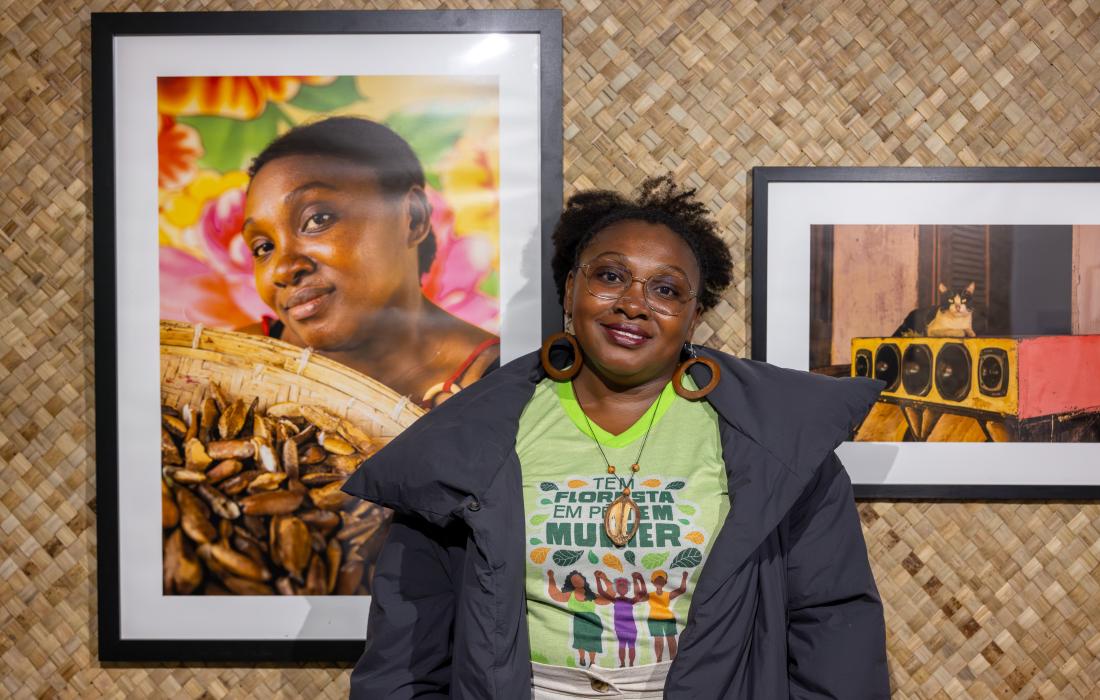
A voice for the babassu forests: Kleidianny’s story.
Coconut breaking and activism are in Kleidianny's blood. As a child, she followed her mother through the babassu forests and to community meetings, where she would listen to her mother speak on behalf of their land and people.
“I am the daughter of Maria de Jesus Ferreira de Souza - also known as Dijé, or Mother Palm - a political leader who stood at the forefront of social movements, fighting for the preservation of babassu trees and defending quilombola and riverside territories,” she explains.
Now 36, Kleidianny continues her mother’s legacy. She is the General Coordinator of the Association of Women Coconut Breakers (AMTQC) in the municipality of São Luiz Gonzaga, leading a powerful collective of 80 women in the defence of their ancestral lands and the preservation of the babassu palm.
Around 300,000 women in Brazil depend on the babassu palm tree for their livelihoods. Known as babassu coconut breakers, they collect the palm’s fruit to produce flour, oil, and other goods that are vital sources of income.
Coconut breaking is not only a livelihood, but also a cultural tradition that has been passed down through the generations and is a source of deep pride for many women. It is part of their identity, yet it is under threat. In recent years, conflicts have increased due to the advance of industrial agriculture, which has destroyed babassu forests and violated human rights.
Kleidianny lives in Monte Alegre, a recognised quilombola territory and afro-descendant community that has yet to receive its final collective land title; a situation that leaves her community vulnerable to threats and rights violations.
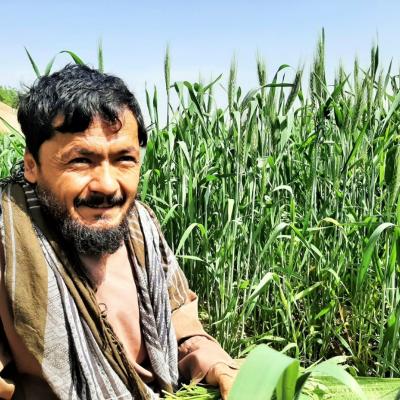
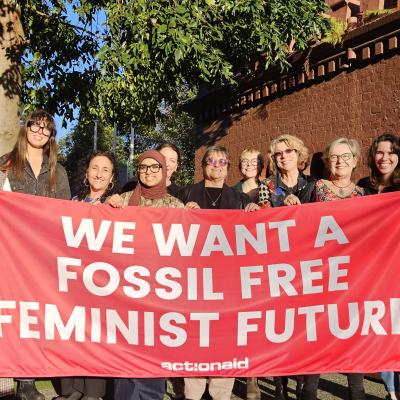
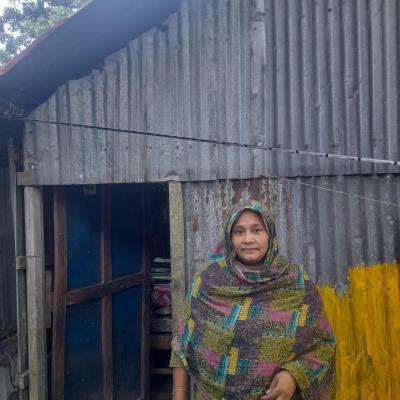
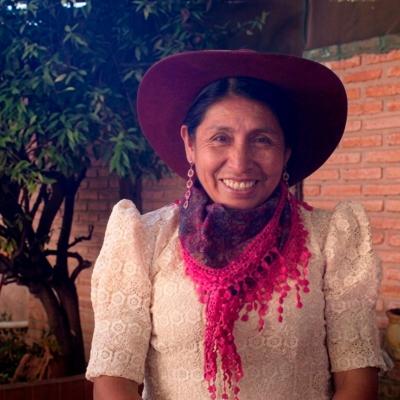
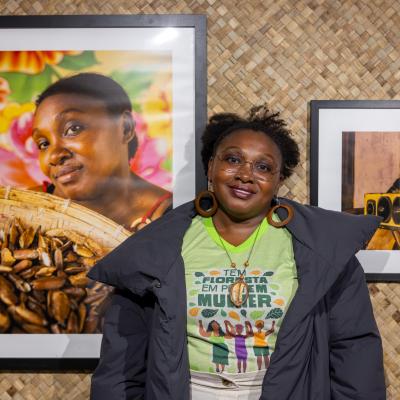
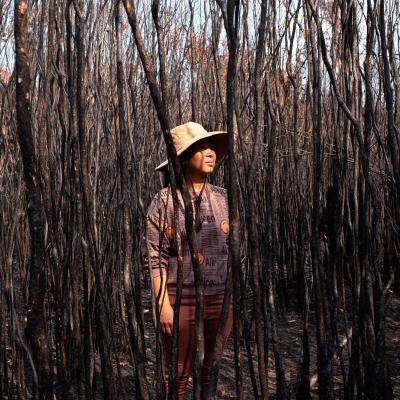
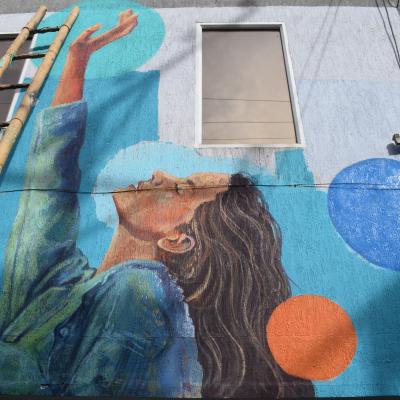
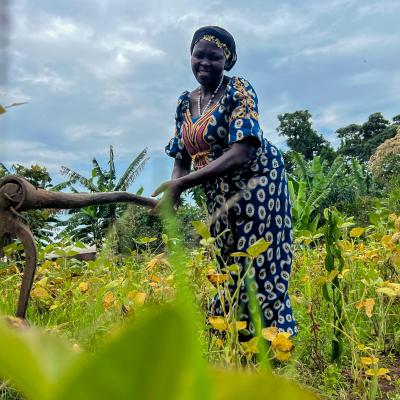
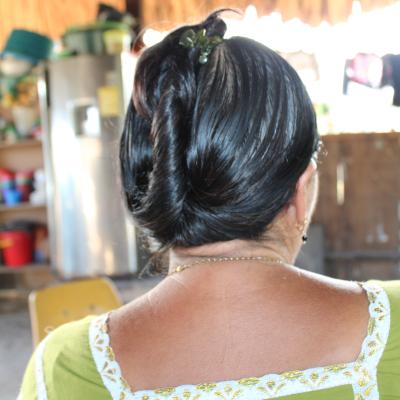
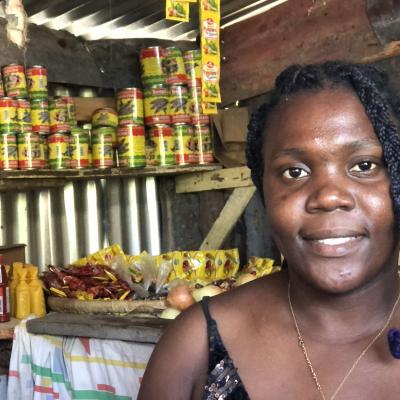
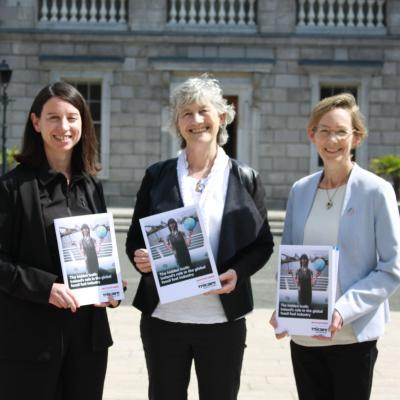
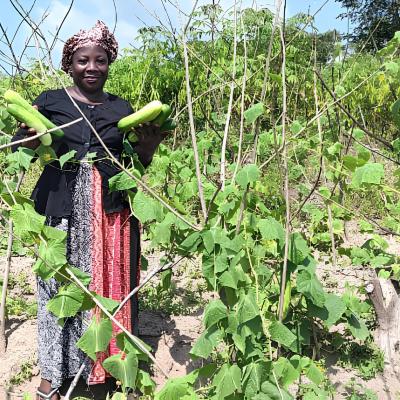
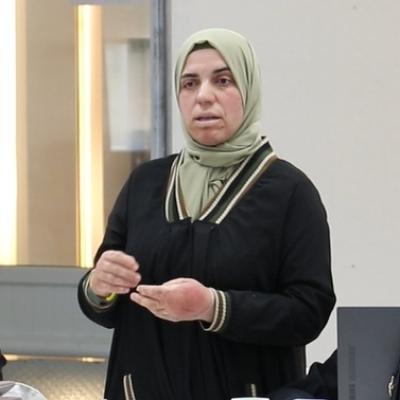
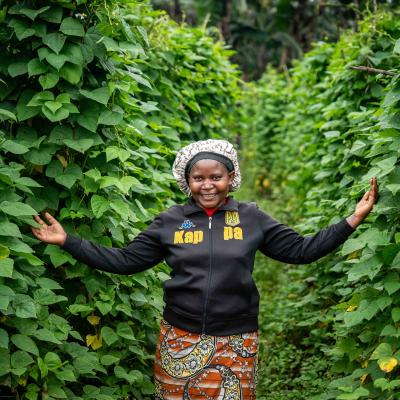
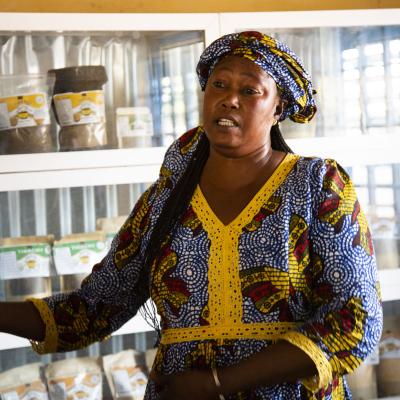
In October, she crossed the Atlantic Ocean to attend the opening of the Women By Women exhibition organized by ActionAid, that portrayed women land defenders from Brazil, Cambodia, Nigeria, and Nepal.
“As a babassu coconut breaker, it’s a great honour to see myself among these women, each one in her own essence, nature, and territory,” Kleidianny said. “The photographs show who I truly am, the work I do, breaking coconuts and showing my products.”
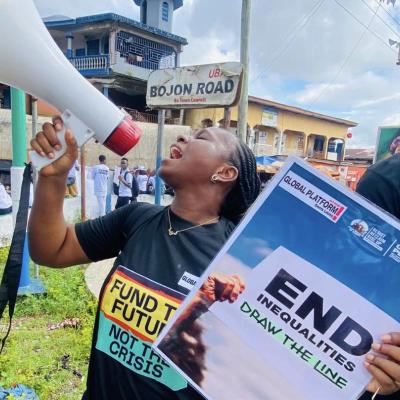
In London, she shared her story and brought the struggle of the babassu coconut breakers to meetings with donors and supporters, as well as to advocacy actions under the Fund Our Future campaign with the UK government.
“If today I am a guardian of the forest, a woman who is part of a social movement, who fights and leads a women’s organisation - if I have come this far, it is also because I am a result of ActionAid’s work in these territories,” she says. “I was once a sponsored child, and today I’m here to tell my story and the story of thousands of other women who fight to keep our forests standing.”
In her activism, Kleidianny has dedicated herself to defending the nationalisation of the Babassu Free Law, which prevents the deforestation of babassu palms and ensures coconut breakers’ free access to the groves, even on private lands - protecting both the forests and their way of life.
In London, she took part in meetings at the UK Parliament and with government officials from the Department for Business and Trade (DBT) and the Foreign, Commonwealth & Development Office (FCDO) to push for laws that can hold agribusiness companies accountable for the environmental destruction they cause. She called on the UK government to take decisive action and support the coconut breakers and other women defending their lands and ecosystems from harm.
“For me, the palm tree is a mother - a mother of many mothers - because it helps support thousands and thousands of families across the northeast of Brazil. I represent the voice of thousands of women babassu coconut breakers who defend our territory, to bring our story of struggle and resistance for the preservation of the babassu forests. Then will people here, on the other side of the world, know that the coconut breakers exist. This visibility is essential for women to be respected and for our territory to be valued and recognised.”