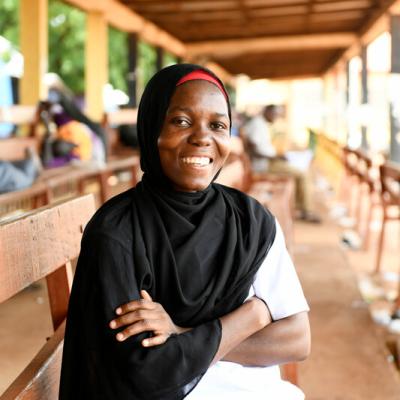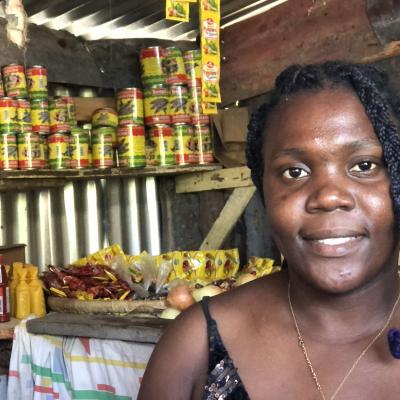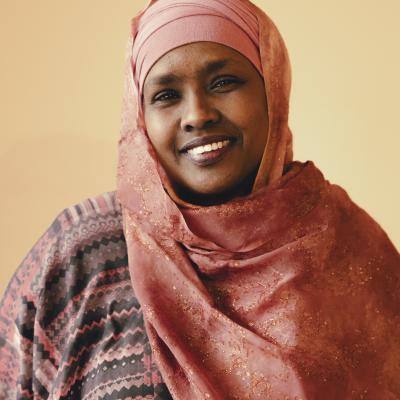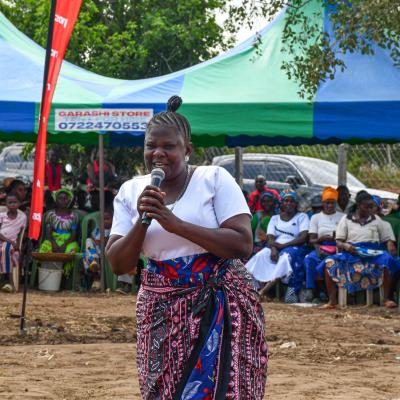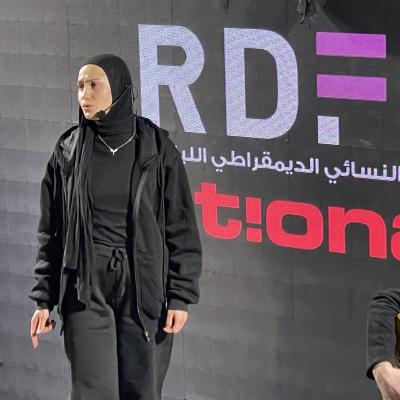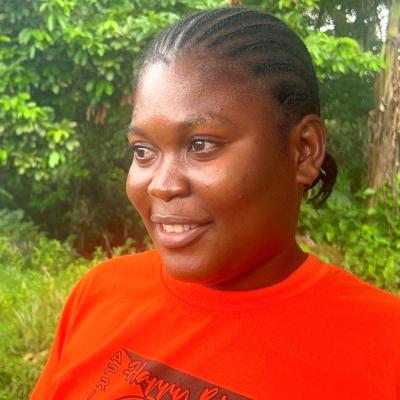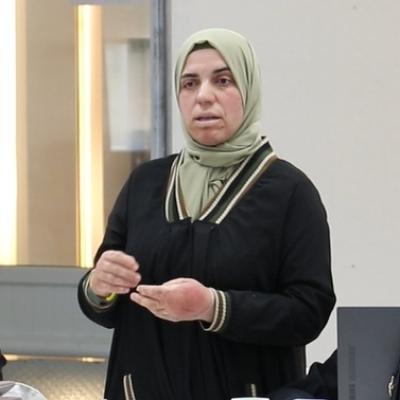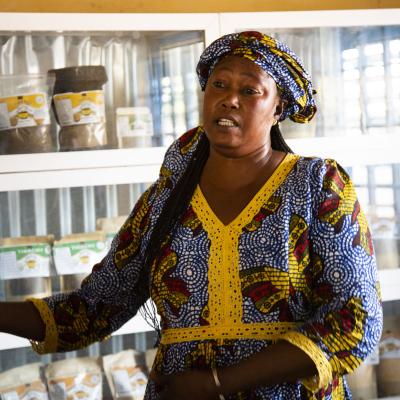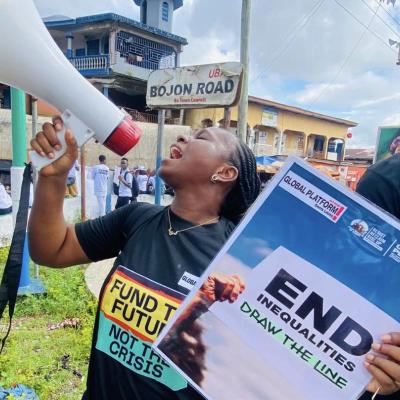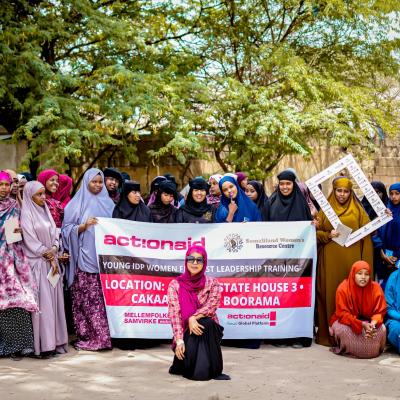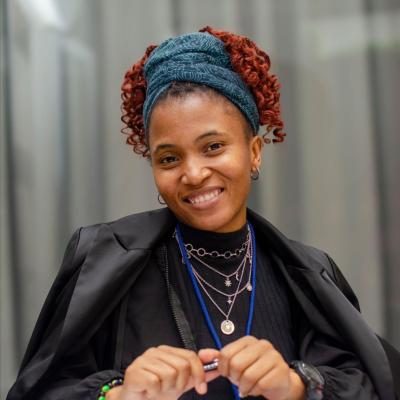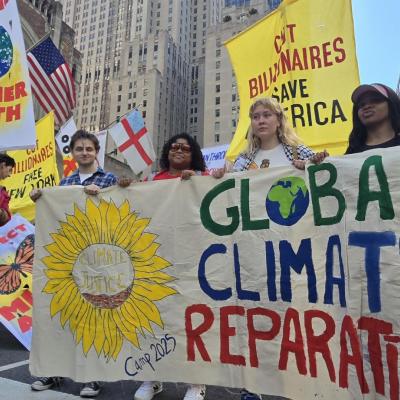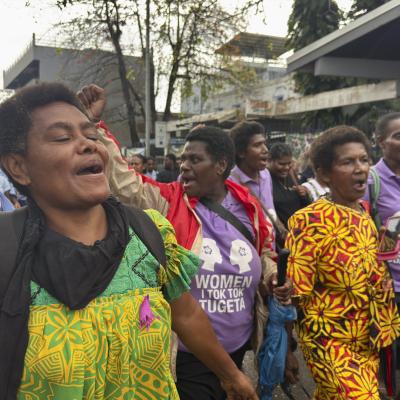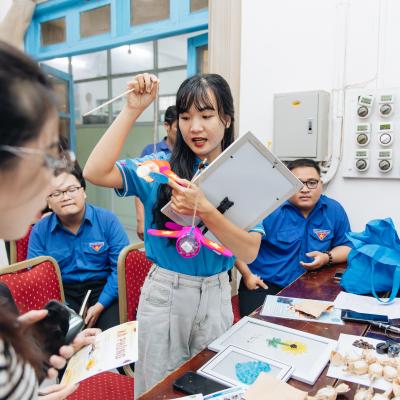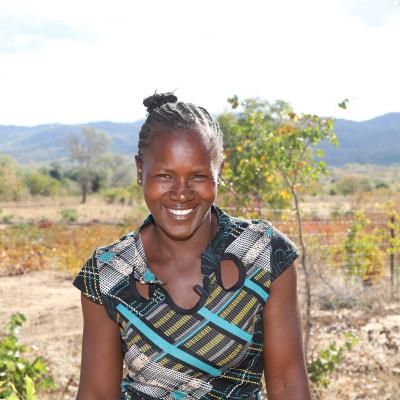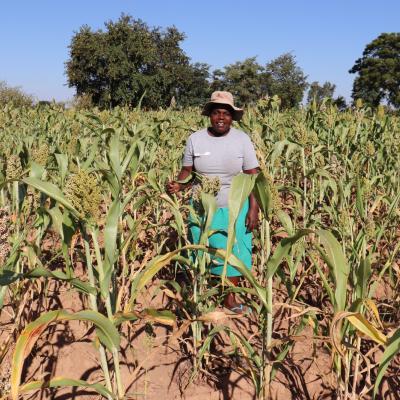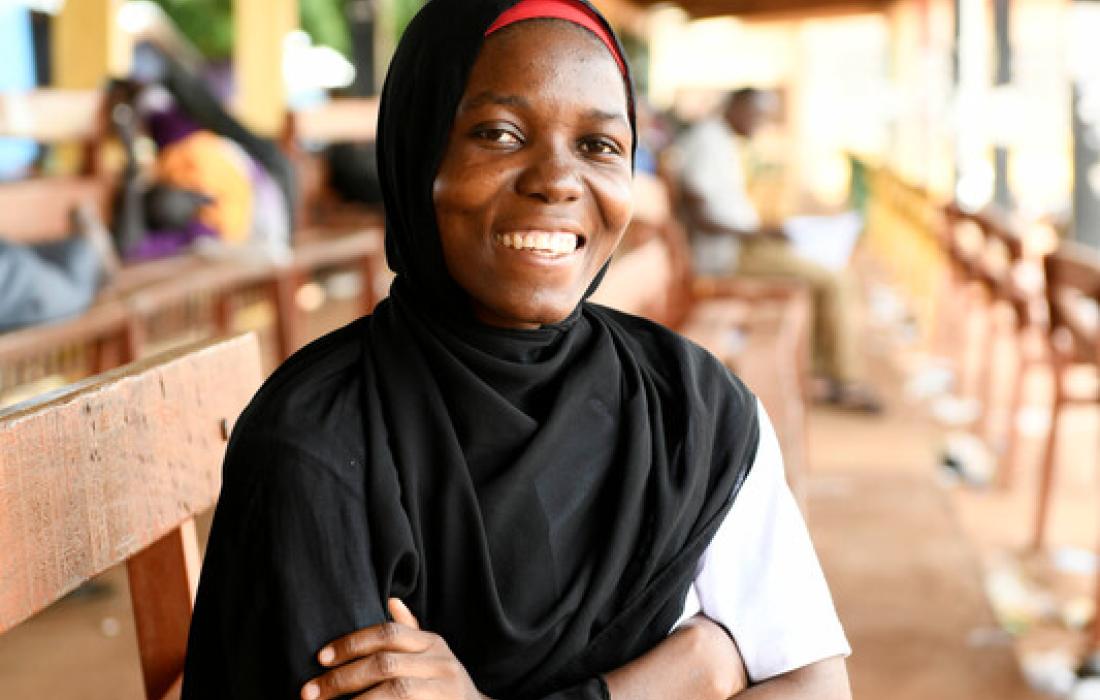
Shifatu, advocating on the challenges of unemployment
"The issue of unemployment is exposing girls and communities to many issues including increased vulnerability and exploitation".
Shifatu, a young urban woman activist who wants to train as a nurse, has observed how adolescent girls are disproportionately impacted by economic instability, and how unemployment increases vulnerability and mental health issues as well as reducing access to basic services.
Economic inequality and vulnerable employment remain significant challenges for young women, particularly in urban areas of Ghana. A large proportion of women work in the informal sector, engaging in low-paying and unprotected jobs such as street vending and head portering (commonly known as kayayei). Women in these roles often earn less than men, with rural women facing even greater disadvantages due to limited access to formal employment opportunities.
These young women also carry a disproportionate burden of unpaid care work, leading to what is known as time poverty. Women aged 25–34 spend significantly more time on unpaid domestic responsibilities compared to men, limiting their ability to engage in income-generating activities. This unequal distribution of care work contributes to higher rates of extreme poverty among young women than their male counterparts.
In addition to economic challenges, violence against women and girls (VAWG) remains widespread. One in three women in Ghana experiences physical or sexual violence, often accompanied by economic abuse such as the withholding of income. Women working in the informal sector are particularly vulnerable, facing harassment and abuse from customers, employers, and even authorities. Migrant women in urban areas are especially at risk, often enduring exploitative conditions that are further worsened by rising food prices and inflation.
The Young Urban Women’s Movement (YUWM) began in 2013 as a project under the "Young Urban Women: Life Choices and Livelihood Project" initiated by ActionAid Ghana. The project aimed to empower young women residing in urban and peri-urban areas of Ghana and gradually expanded to the hard-to-reach communities making their voices heard through education, advocacy, campaigns, and skills development.
To create momentum, increase voices and actions around thematic areas including Bodily Integrity, Economic Security and Burden of Care, the project grew into a strong body called the Young Urban Women’s Movement.
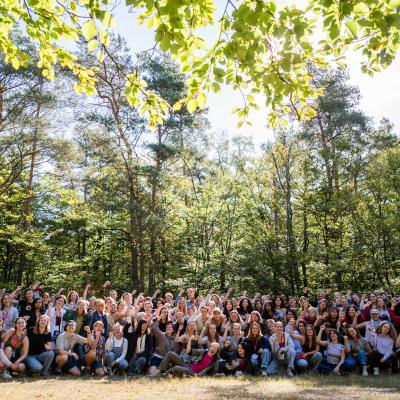
Starting as a modest initiative, YUWM has grown into a vibrant community with approximately 5,000 members across seven regions of Ghana; namely Greater Accra, Northern, Upper East, Bono/Ahafo, Volta, Upper West, and Eastern regions of Ghana.
The movement has evolved into a dynamic force that seeks to increase autonomy for young women over their life choices, girls' leadership development and challenge gender norms that perpetuate inequality.
The YUWM has taken on various advocacy and campaigns over the years on women faced with wage theft and harassment from employers, policies to redistribute care work (e.g., affordable childcare) and recognise unpaid labour in national accounting.
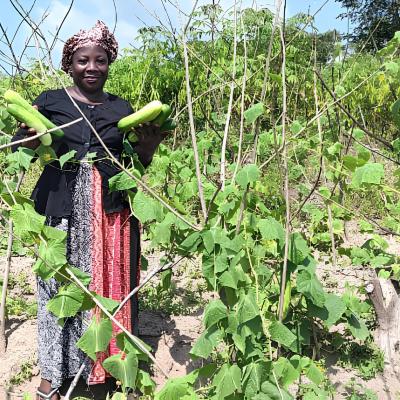
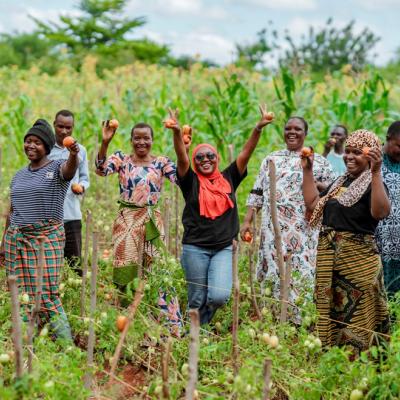
Again, young women under the YUWM have been trained in livelihood skills including shea butter processing, soap-making, tiling, painting pastries and cake making and were given the start-up tools needed for their businesses.
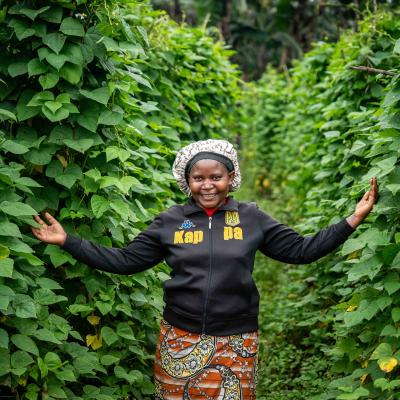
YUWM has achieved significant milestones in livelihood skills training, provision of gender-responsive public services, and advocacy for decent work. Members have successfully influenced youth and adolescent health policies in Ghana and engaged employers to address issues of economic exploitation and sexual harassment in informal workspaces. Some members of the movements also took up leadership roles by contesting and winning district assembly elections and educating community gate keepers and communities to end unintended pregnancy and child marriage. The movement has also collaborated with other youth groups which has yielded positive results such as the provision of teaching and learning materials for schools.
Finally, the YUWM have been supporting efforts to push for ratification of ILO Convention C190 against workplace violence and laws for equal pay to ensure that where girls are employed, it is a safe equitable space.