HSBC’s climate harms create an opportunity to demand systems change
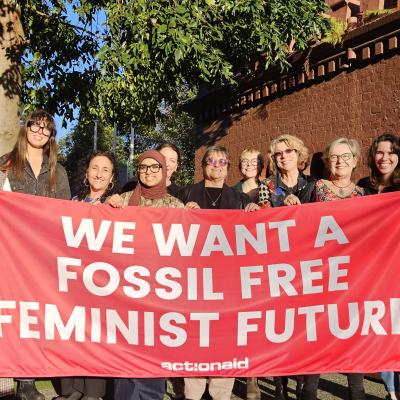
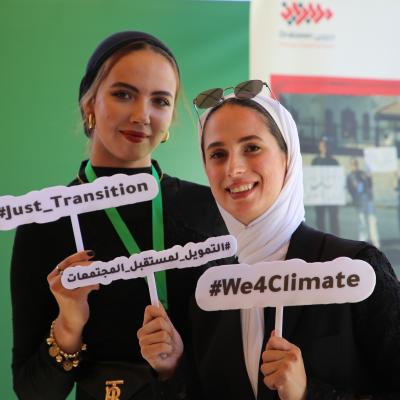
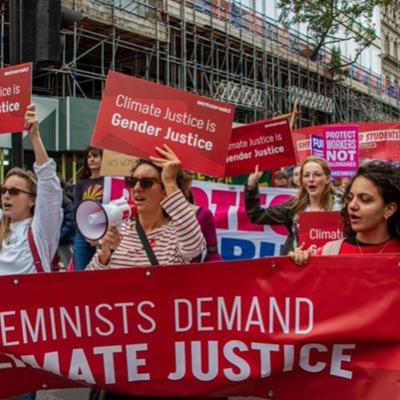
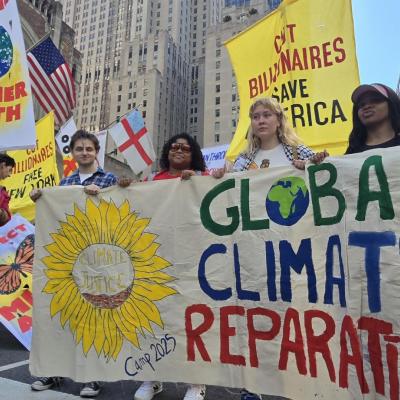
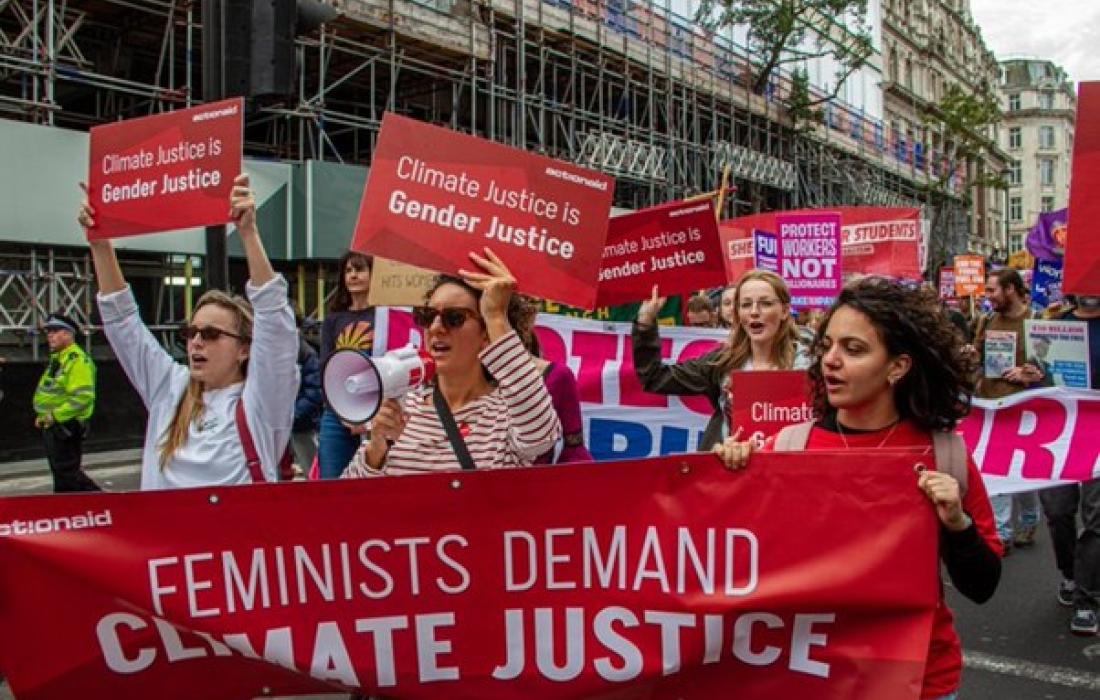
In 2025 we continued to call for systemic economic change and highlighted the interlinkages between our economic approach and the climate emergency. This included work on the Federation-wide global climate campaign, which aims to support global climate movements and stop big banks from investing in damaging fossil fuels.
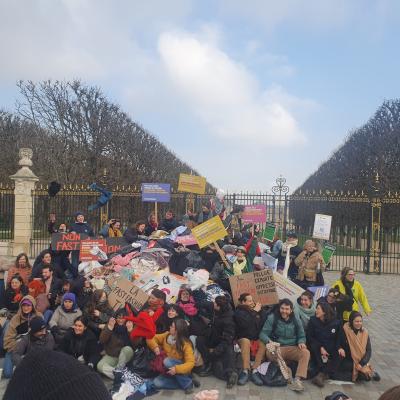
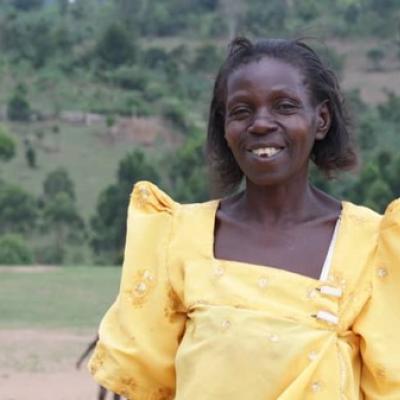
In May 2025 we attended HSBC’s Annual General Meeting along with Ugandan climate activist Patience Nabukalu – a member of ActionAid’s Global Platform. Patience delivered a letter to HSBC executives, signed by over 80 global youth moments calling for urgent action on the climate crisis. Whilst in the UK Patience met with grass roots climate activists, parliamentarians and appeared on the well-known podcast Pod Save the UK.
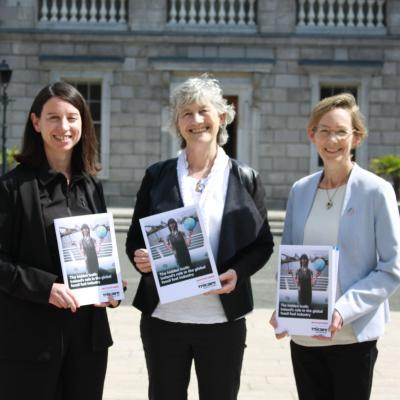
In July 2025, we launched the report Who pays the price? The cost of HSBC’s climate damages. In it, we revealed the extent of the bank’s complicity in fuelling climate chaos. This coincided with ActionAid’s decision to cut ties with HSBC over its links to climate harm. Our report was launched in the UK Parliament with Federation colleagues and enjoyed significant press coverage. As a result of this, ActionAid has developed new relationships with supportive Parliamentarians.
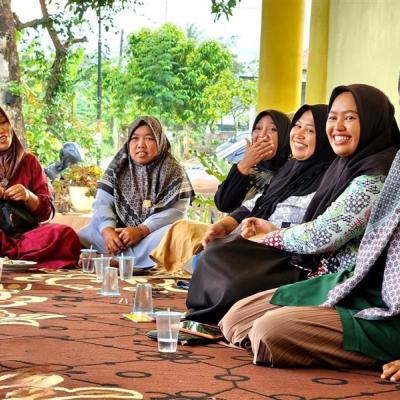
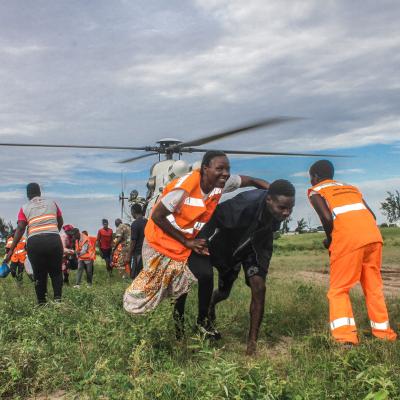
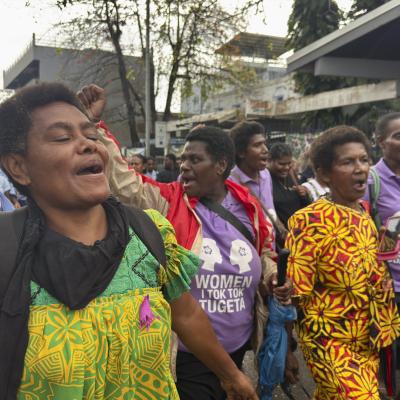
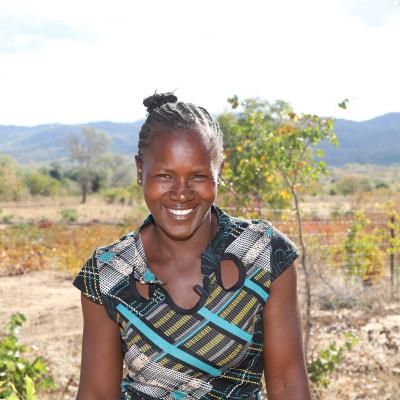
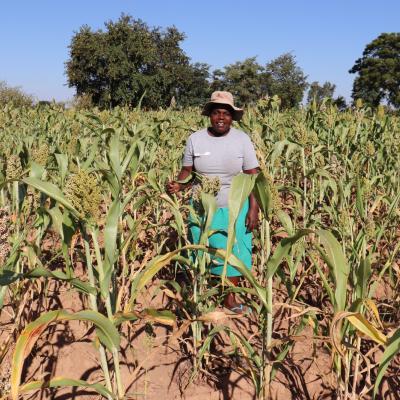
This work took place against the backdrop of an ever-intensifying crisis, which has disproportionately affected countries in the Global South – countries that have contributed the least to global emissions. Within these countries, women and girls bear the brunt of these impacts.
We demanded that governments and institutions take swift action to cut emissions, stop the planet from getting hotter and prevent further destruction. Currently, poor financial sector regulation has meant that private finance is channelling billions of dollars into climate-harming industries each year. Our research showed that in the period 2021-2023, HSBC pumped £153 billion into the fossil fuel and industrial agriculture sectors. As a result, the bank generated 357 million tons of carbon dioxide equivalent (CO2e). Based on these figures, we calculated that HSBC had caused £128 billion in climate damages in that period.
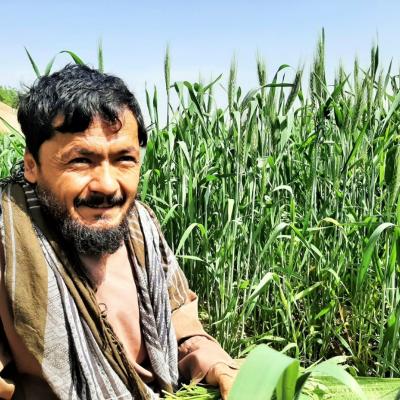
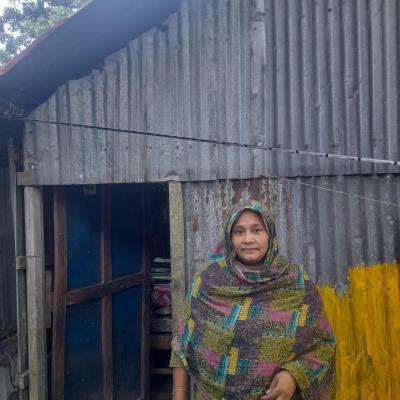
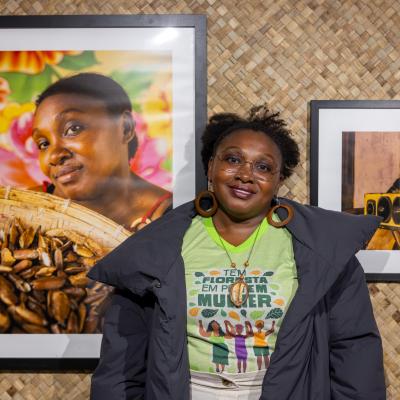
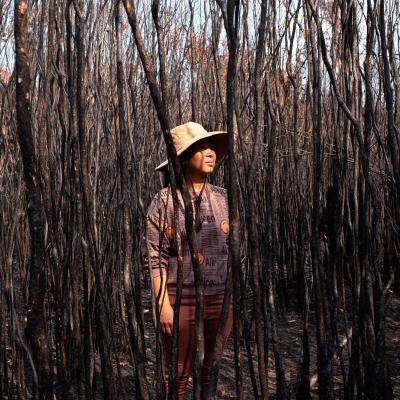
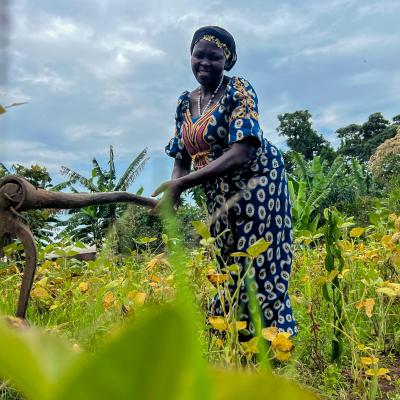
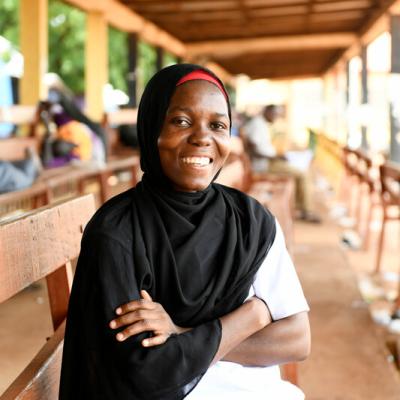
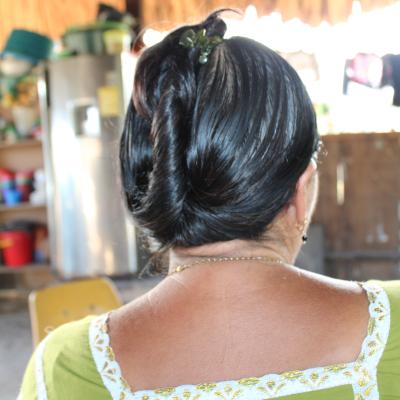
This damage includes both human rights and environmental harms. In Bangladesh, women experienced poor health, impaired livelihoods and higher risks of gender-based violence near an HSBC-funded power plant. In Brazil, the Babassu coconut breakers faced land conflict and pesticide exposure, driven by industrial agriculture expansion financed by companies linked to HSBC. And in Tanzania, women householders lost income and land as a result of the East African Crude Oil Pipeline, which is indirectly funded by HSBC.
Time for a systems overhaul.
HSBC’s unchecked investments in dirty and damaging industries exposed an urgent need to radically re-think the financial systems we operate within. We called on the UK to prohibit financing fossil fuel expansion projects and harmful industrial agriculture; introduce a gender-responsive Business, Human Rights and Environment Act; make banks pay their fair share for the damage they’ve caused; and accelerate the transition to just and clean economies and societies where human rights and environmental protections are upheld. We’re calling for strong legislation and regulation of the UK financial sector to achieve this.
We called on HSBC to stop bankrolling fossil fuel expansion and harmful industrial agriculture. We urged them to thoroughly research and assess the human rights and gender-related impacts of their activities, and ensure that they do no harm. And we reminded them of the Polluter Pays principle, demanding that they pay for the climate damages they’ve caused in the Global South, which is already unfairly picking up these costs.
Our report sparked a sector-wide discussion, gaining traction among donors and on LinkedIn. ActionAid supporters signed our petition to the Government and wrote to their MPs, building momentum for fair and just financial systems.