Henrietta leads through agroecology in Afikpo
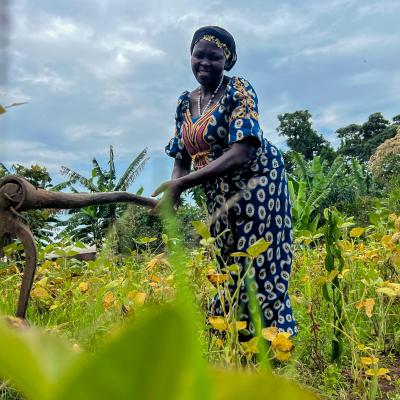
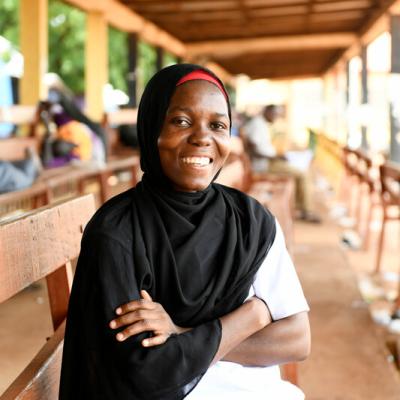
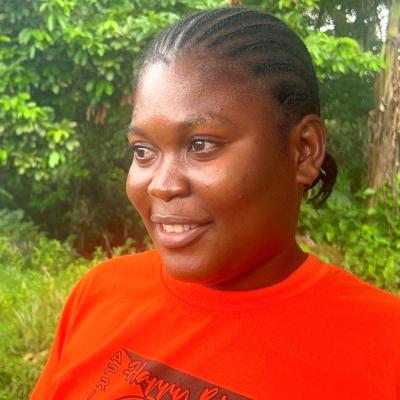
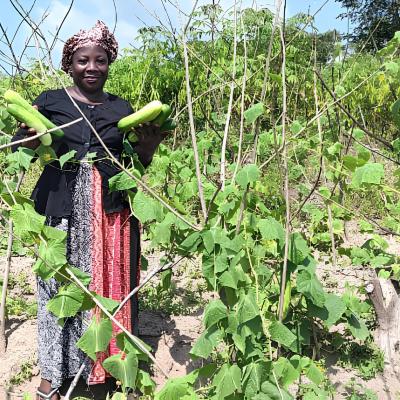
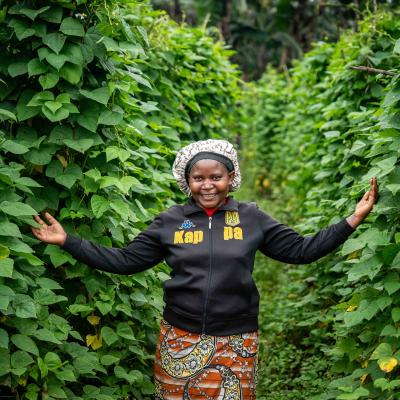
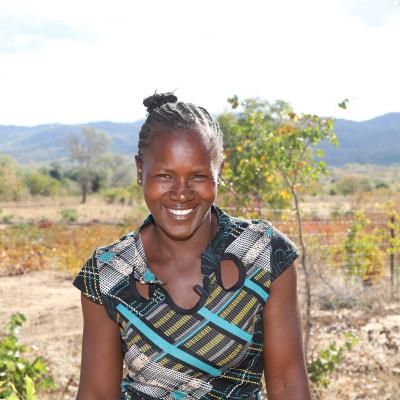
Oko Henrietta Uchenna is a farmer, a mother of four, and a growing source of knowledge for farmers in Afikpo, Ebonyi State. Today, farmers visit her fields to learn sustainable practices, and buyers come directly to her farm for fresh produce.
“I feel proud when farmers come to my farm to learn or buy vegetables,” Henrietta says. “It shows that what I am doing is helping not just my family but other people in the community too.”
Across Nigeria, farmers like Henrietta are central to feeding the country. Smallholder farmers produce more than 80% of the nation’s food, and women contribute a significant share of that production. Yet many women farmers face structural barriers, including limited access to land, financing, extension services, and social protection.
Henrietta has experienced these challenges firsthand.
“For many years, farming was the only way I could take care of my children,” she explains. “But the farm was not doing well. Pests destroyed many crops, and the harvest was small. Sometimes I had to borrow money just to feed my children and send them to school.”
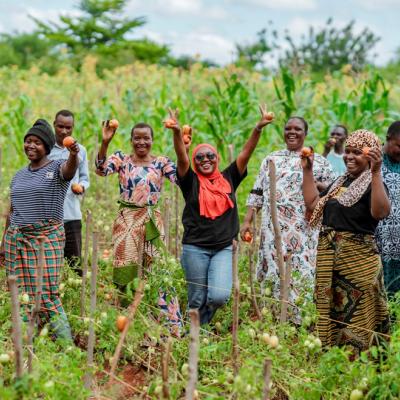
In 2024, Henrietta was nominated by her cooperative group to participate in an agroecology training – an initiative of ActionAid’s Transformative Impact Fund (TIF) - alongside 14 other women farmers from her community. The training focused on practical, locally rooted techniques that improve soil health, protect biodiversity, and reduce dependence on expensive chemical inputs.
“We learned how to make compost and organic manure, how to mulch and rotate crops, plant different crops together, preserve seeds, and even make natural pesticides from plants around us,” Henrietta says. “When I saw these methods, I realised many of the solutions farmers need are already around us.”
Henrietta returned home determined to apply the new knowledge. At the time, she farmed only one small plot of land. By applying agroecological methods, her soil gradually improved, pest damage reduced, and her harvests increased.
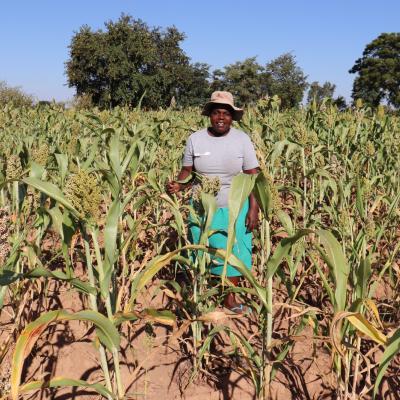
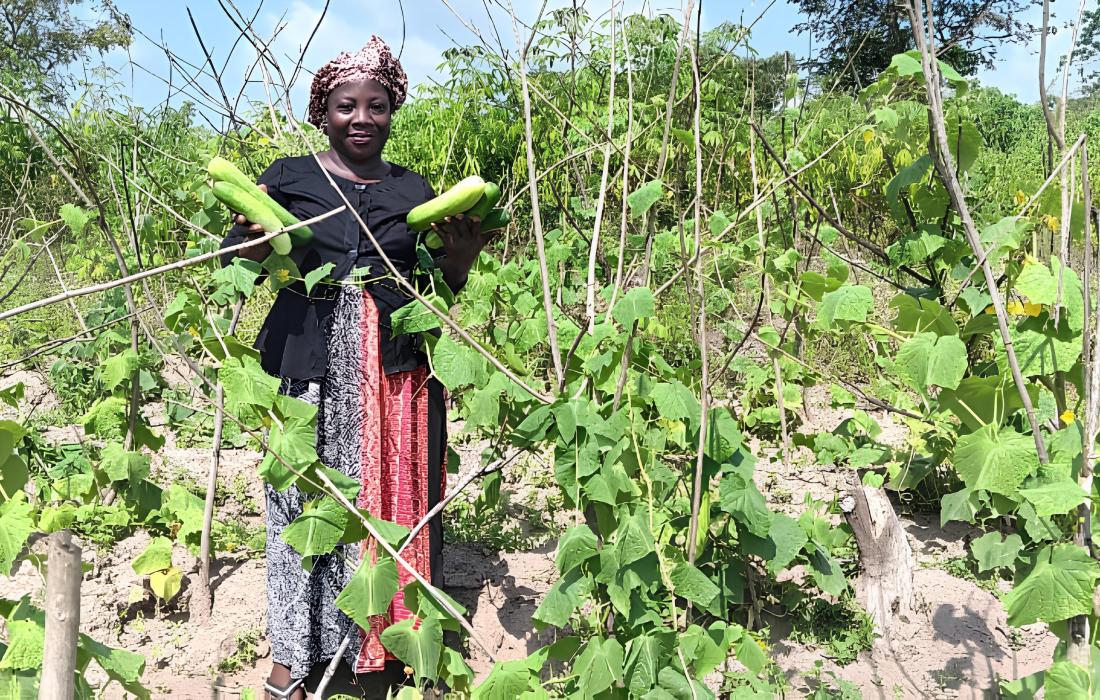
Today she farms three plots, growing cassava, maize, and vegetables such as pumpkin leaf, waterleaf, spinach, cucumbers, and okra. She also processes cassava into garri, creating another source of income.
“Before the training, my harvest was very small,” she says. “Now my farm produces much more. From vegetables, I can earn up to ₦50,000 a week, and during maize harvest, I can earn about ₦100,000. Now I can pay my children’s school fees and provide food without borrowing money.”
Henrietta’s impact extends beyond her own farm. After seeing the results, she began sharing her knowledge with other farmers. So far, she has trained 50 farmers in her community on agroecological practices, helping them improve their farms and incomes.
Henrietta’s story highlights the broader challenges facing women farmers across Nigeria. Despite their crucial role in food production, many still struggle to access land, credit, extension services and social protection. To date, the TIF project has equipped over 135,000 smallholder women farmers and young people with agroecological practices, supporting the transition to climate-resilient, low-cost and sustainable practices. Together, farmers movements, ActionAid and partners also informed the National Strategy for agroecology in Nigeria, with women farmers like Henrietta contributing to the review process.
Her experiences demonstrate how increased public investment in agriculture - particularly in agroecology and support systems for women farmers - can help strengthen rural livelihoods and improve national food security. Henrietta believes that when farmers gain access to the right knowledge, change is possible.
“My farm used to struggle,” she says. “Now the land is giving me a good harvest, my children can eat well, and other farmers are learning from what I am doing.”
Through her work, Henrietta is not only growing crops but also cultivating confidence, knowledge, and change in her community.