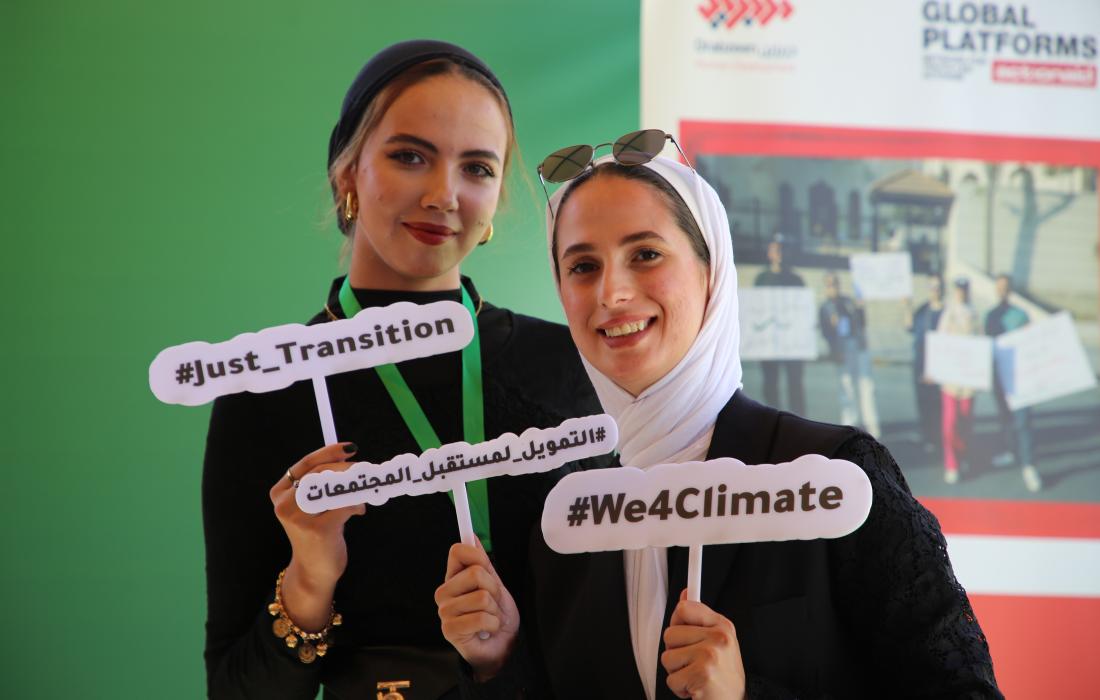
From informal initiative to impact: youth leading climate action in Jordan
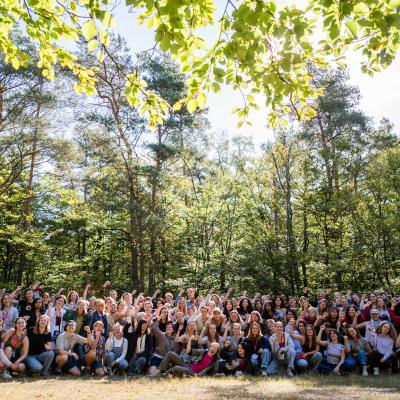
In Jordan, where the effects of climate change are becoming harder to ignore, a group of young people once came together with a shared concern for their future. They were volunteers, driven by passion but limited by structure. Their efforts were meaningful, yet scattered, and their voices often struggled to reach the spaces where decisions were made.
Jordan faces growing environmental challenges. Rising temperatures, water scarcity, and heavy dependence on imported energy have placed increasing pressure on communities. While national strategies spoke about youth engagement and green transition, many young people - especially young women and those from refugee and host communities - found themselves without clear pathways to participate in shaping climate solutions.
Despite these challenges, a small youth initiative began to grow.
At first, it was informal. A group of committed young people organising activities, raising awareness, and learning together. They shared a belief that youth should not only be participants in climate action, but leaders. However, without formal recognition, their ability to influence policy, secure resources, and sustain their work remained limited.
With time, and with the right support, this began to change.
Through continuous mentorship, training, and access to safe organising spaces, these young people strengthened their knowledge in climate justice, green economy, and advocacy. They were not simply trained; they were trusted to lead. This shift built their confidence and helped them form a strong collective identity.
As their capacity grew, so did their impact.
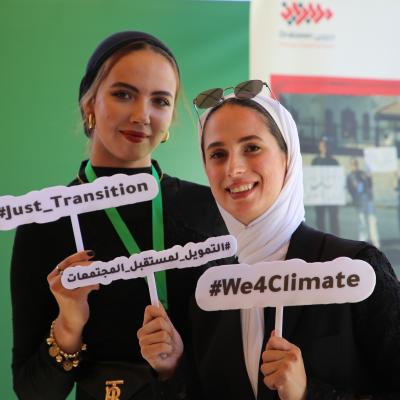
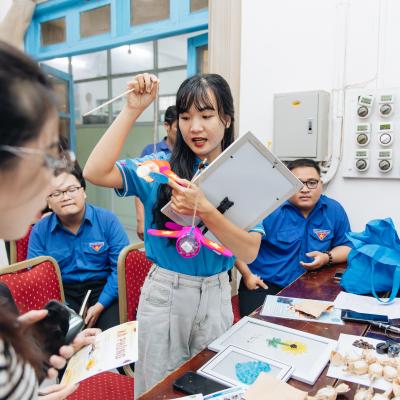
They organised national initiatives such as youth climate festivals and educational programs that reached communities across the country. They engaged in research, developed policy ideas, and participated in both national and international climate discussions. Their voices became more visible, and their work gained recognition.
But the most important transformation was still ahead.
The group took a bold step. They moved from being an informal initiative to becoming a registered organisation. This marked the birth of Jathwa for Environmental Development, a youth-led institution dedicated to climate action.
This moment was more than administrative. It represented stability, legitimacy, and long-term vision. It meant that youth were no longer working at the margins, but standing as recognised actors within the climate space.
Through this transition, young people, including young women and those from diverse backgrounds, strengthened their role in environmental decision making. They were no longer just raising awareness; they were shaping conversations and contributing to solutions.
Their journey also changed how institutions engaged with youth. What was once seen as volunteer effort became recognised as credible leadership. Partnerships grew stronger, and opportunities for influence expanded.
Still, challenges remain. Sustaining financial resources and balancing volunteer energy with institutional responsibilities require ongoing effort. But the foundation is now in place.
What began as a small group of motivated individuals has become a structured, youth-led force for climate action in Jordan.
Their story is one of growth, persistence, and transformation. It shows that when young people are given the space, support, and trust to lead, they can move beyond participation and become drivers of lasting change.
In Jordan, youth are no longer waiting to be included. They are building the future themselves