From ruins to renewal: art revives community life in Aleppo
In Aleppo, a city marked by years of conflict and loss, the absence of cultural life was deeply felt. Spaces that once brought people together through creativity and expression had faded, leaving behind silence and fragmentation. For many artists, especially young people and women, there were few opportunities to create, connect, or share their work.
The impact went beyond art. Without safe spaces for gathering, communities became more divided, and opportunities for dialogue and understanding diminished. Artists worked in isolation, disconnected from one another and from the wider community.
Then, a new effort began to take shape.
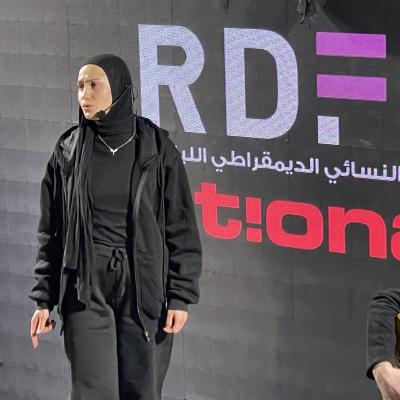
In 2025, a structured art forum was established in Aleppo. It was not just a place for art, but a space designed to bring people together again. Open and inclusive, it welcomed youth, women, and persons with disabilities, creating a rare environment where everyone could participate and be seen.
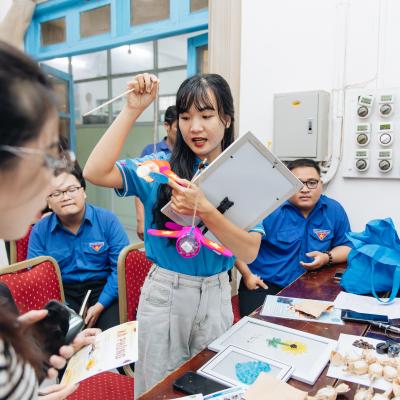
The forum quickly became a regular meeting point. Artists gathered to learn, share ideas, and collaborate. Through drawing workshops, discussions, and film screenings, creativity began to return. But more importantly, so did connection. People from different backgrounds came together, engaging in conversations about art, society, and identity. These interactions helped rebuild trust and strengthened a sense of belonging that had been weakened by years of conflict.
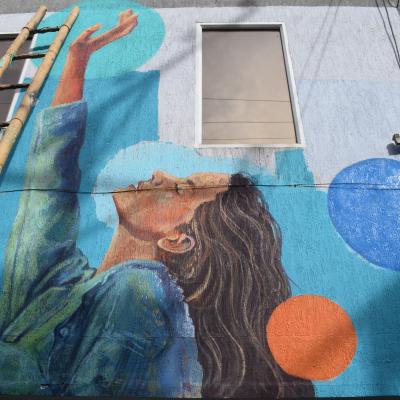
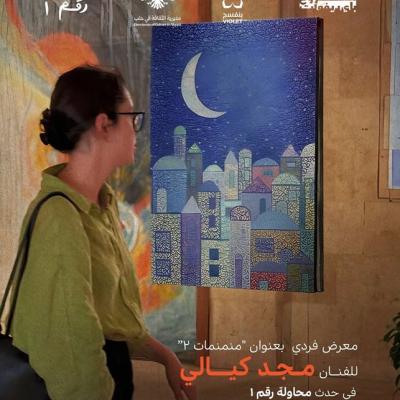
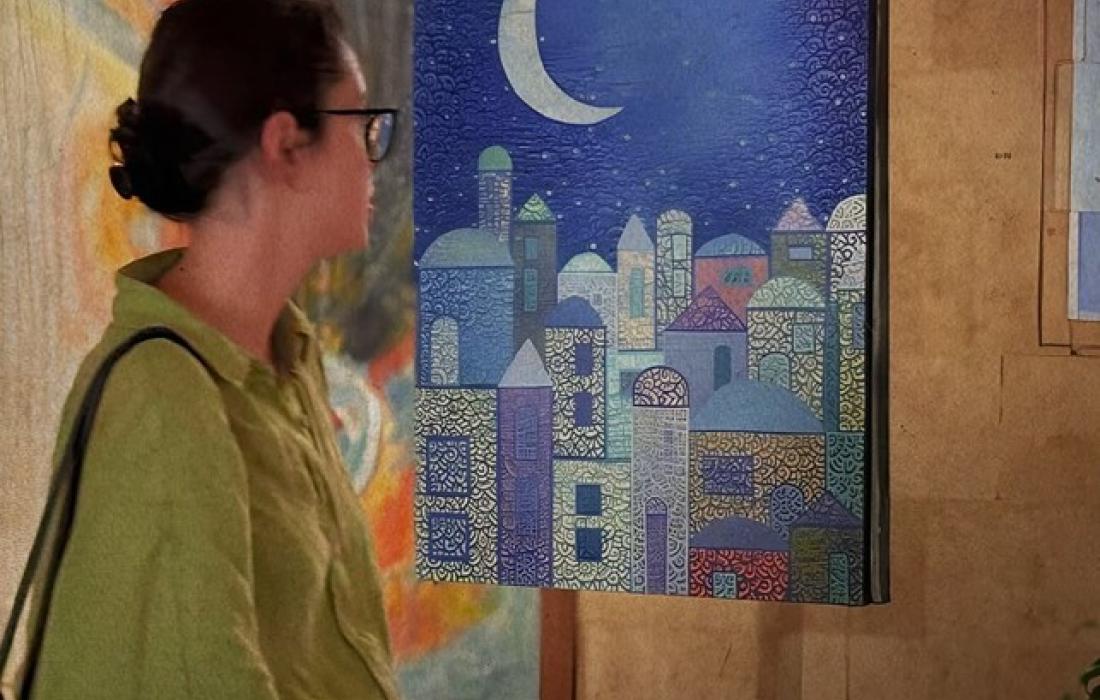
The space also gave artists a chance to present their work publicly once again. Exhibitions showcased paintings and creative pieces, while musical evenings brought sound and life back into the community. These moments were not only artistic expressions, but signs of recovery.
As the forum continued, it grew into something more than a series of activities. It became a hub, a living space where creativity and dialogue could exist side by side. Partnerships formed between artists and local organisations, strengthening the foundation for long-term collaboration. The initiative also opened doors for those who had often been excluded. Young people, women, and persons with disabilities found a platform to express themselves and take part in cultural life. Their participation reshaped the space, making it more representative and inclusive.
What started as an effort to support artists became a wider process of social recovery. Art was no longer just about expression; it became a way to reconnect communities and rebuild shared identity.
The model proved strong and adaptable, with the potential to expand beyond Aleppo to other areas. It showed that even in fragile and challenging contexts, structured and inclusive cultural spaces can support resilience and renewal.
In a city that had experienced so much disruption, the return of art signalled something powerful. It showed that recovery is not only about rebuilding structures, but also about restoring human connection, creativity, and hope.