Breaking boundaries, building futures: women farmers lead the way
In the Bundelkhand region of Uttar Pradesh state of India, where farming is shaped by erratic rainfall, degraded land and deep social inequalities, small and marginal women farmers have long remained on the periphery, working the land, yet excluded from decisions, resources and recognition.
Through Basant Women Farmer Producer Company Ltd. (FPO), 2,950 women farmers have come together to change this reality, shifting from isolation to solidarity and from invisibility to collective strength.
What began as a platform to improve access to agricultural inputs and markets has become a space where women are asserting their rights over production, income and decision-making. Today, the FPO reaches over 100 villages across five districts, directly impacting more than 4,000 rural households.
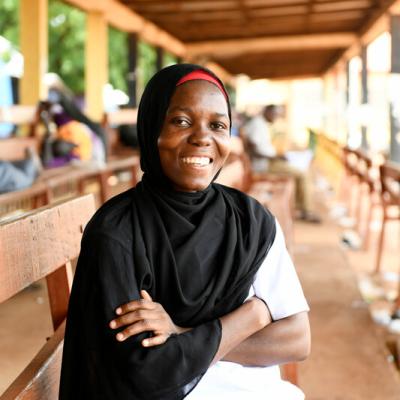
At its core are women, many from Dalit and other marginalised communities, who now actively shape the direction of their livelihoods and institutions.
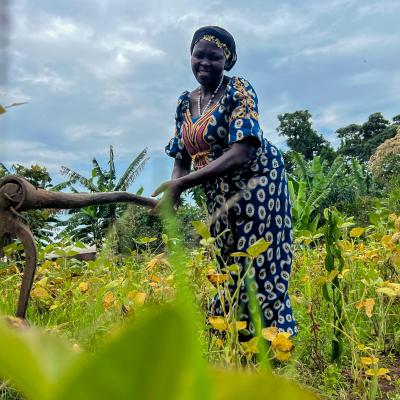
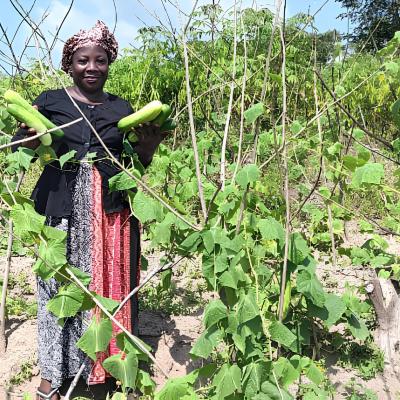
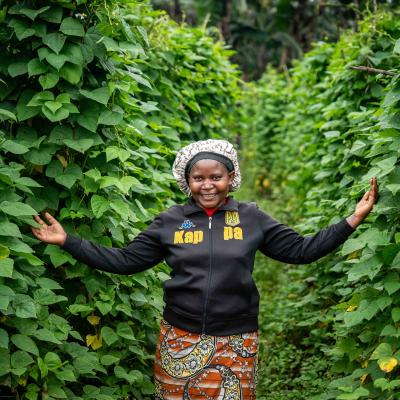
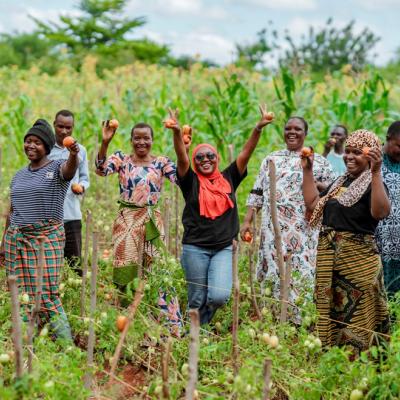
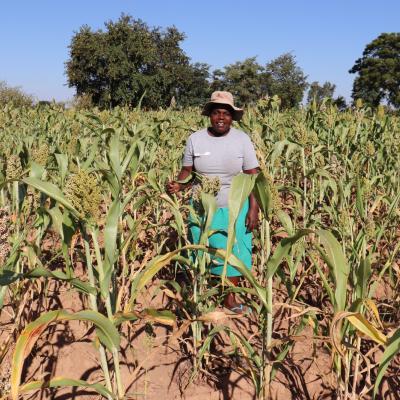
In a region marked by climate stress, these women are building resilience on their own terms. Over 3,049 farmers have adopted multi-tier farming, nutrition gardens, vermi-composting and organic practices, alongside drought-resilient seeds and water-efficient methods. These are not just technical shifts; they represent a reclamation of agency and control over land, resources and farming systems that are dictated by patriarchal systems.
Livelihood diversification into goat rearing, poultry and horticulture has reduced dependence on single crops and uncertain rainfall. For many women, even small plots of land are now generating over ₹1,00,000 through multi-tier farming in one cycle of cultivation.
Across households, incomes have increased by 20–40%, strengthening not only economic security but also women’s bargaining power within their families and communities.
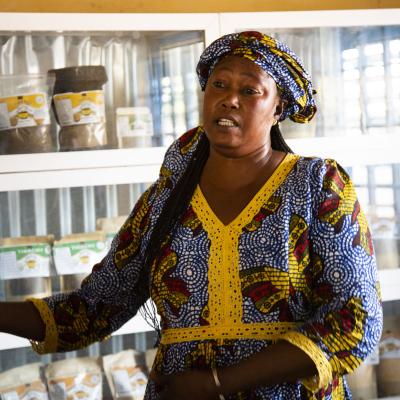
Collectivisation has enabled redistribution of knowledge, resources and market power. By aggregating produce and accessing inputs collectively, women have reduced costs and secured better prices. Through value addition processes such as cleaning, grading and packaging, and with the introduction of solar-powered processing units, they have reduced post-harvest losses by 20–30% and improved product quality. This has allowed them to derive greater value from their labour rather than losing it along the supply chain.
The products they produce include spices, pulses, flours, multigrain daliya and mustard oil which are 100% pure and free from artificial additives. The repeat demands from consumers not only reflects growing trust and quality, but also the strength of a women-led enterprise rooted in accountability and care.
ActionAid India has accompanied the women farmers on this journey, working alongside them and offering sustained support to mobilise them into a collective, strengthen their capacities and leadership, and facilitate FPO registration.
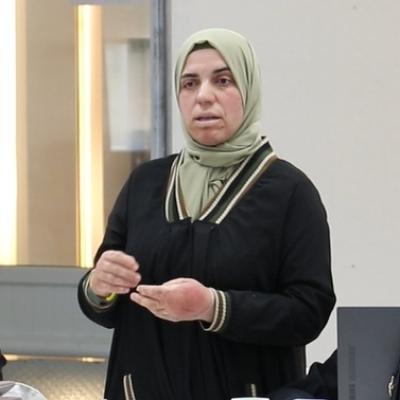
Beyond livelihoods, the Basant FPO has become a space of empowerment and leadership. Women who were once excluded from public decision-making are now leading it. The FPO is governed by an elected Board of Directors of women members, supported by more than 50 trained leaders and community resource persons. Women are gaining confidence, voice and recognition, within their homes, villages, with district administration and beyond.
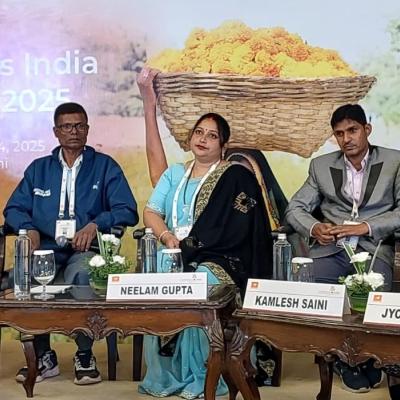
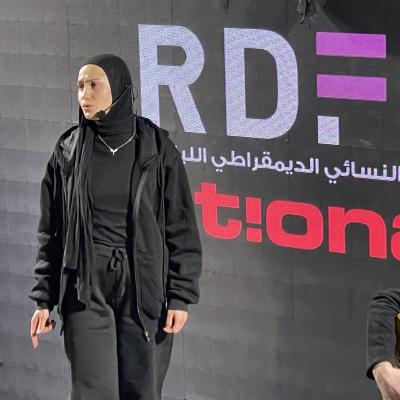
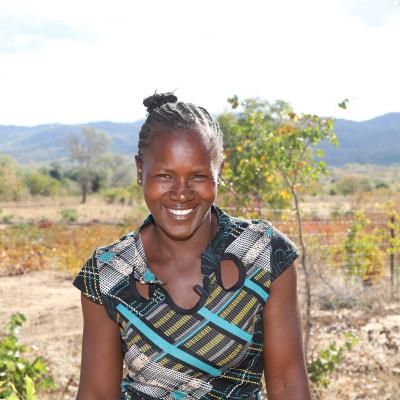
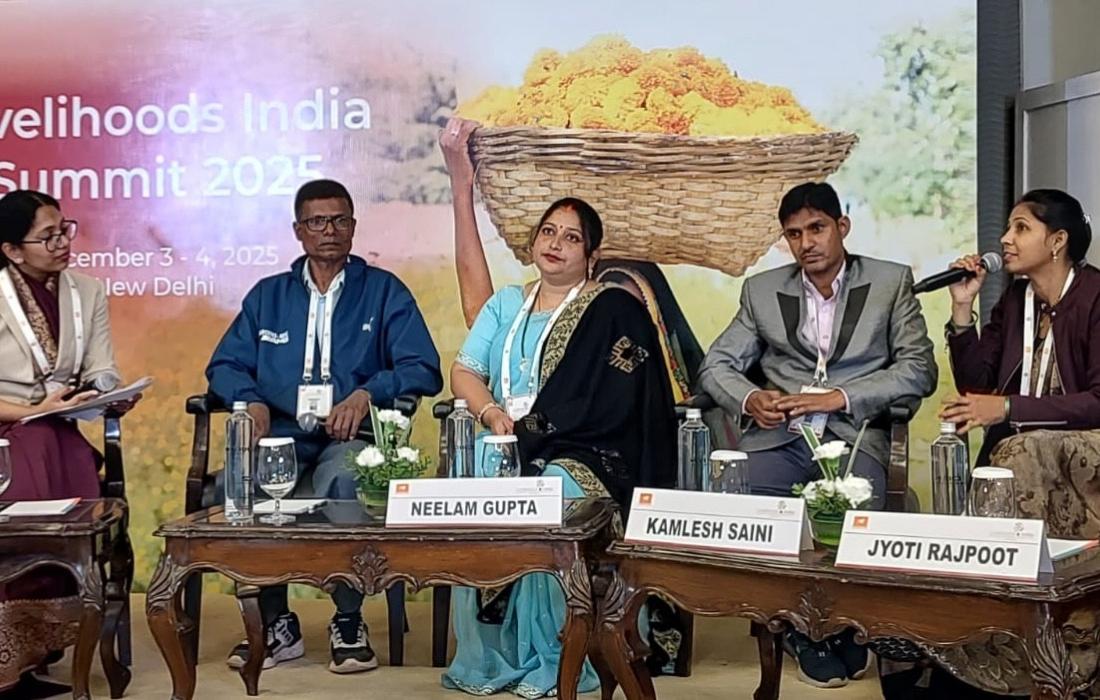
Leaders like Jyoti Rajpoot are members of the Board of Directors, amplifying the voices of women farmers on district, state and national platforms and raising issues of market access, financial inclusion and policy support. It was not an easy journey for women farmers like her; despite holding the lion’s share of toiling responsibility in agriculture, they didn’t have land in their name and hence were debarred from the category of ‘farmer’ on technical grounds. ActionAid India, initiated a community sensitisation campaign on land ownership for women to convince families - particularly male-heads - to include women in the ownership rights. It took time to make a dent in the age-old patriarchal mindset which denied ownership rights to women, but eventually the change started to be seen within a few families.
With an annual turnover exceeding ₹12 million today, Basant FPO reflects both economic viability and collective strength, even as challenges such as limited access to larger markets, price fluctuations and constraints in branding and distribution persist.
Through continuous support in navigating legal and administrative systems, mobilising resources for technical inputs, and building skills in multi-layer and organic farming, value addition and market linkages, ActionAid has helped create an ecosystem where women could move beyond restrictive social norms. Women who were once confined to their homes and fields are now participating in boardroom discussions, shaping decisions and leading their enterprise, signifying not just improved livelihoods, but a deeper, enduring shift in power and agency. Women farmers are not just beneficiaries, but active leaders influencing systems that affect their lives.
Ms Jyoti says; "when I joined the Basant Women FPC, for the first time I felt that women are not limited to kitchens and wage labour but can also become decision-making leaders. Being part of Uttar Pradesh’s first women-led FPO is a matter of pride for me. This is not just my achievement, but the victory of all those women who refused to give up despite hardships. Earlier, we only used to hear about markets and trade. Today, we ourselves are making decisions about production, processing and marketing. I am proud of the support and solidarity of Basant Women FPC and ActionAid.”