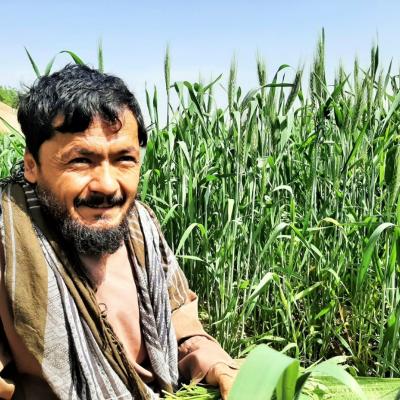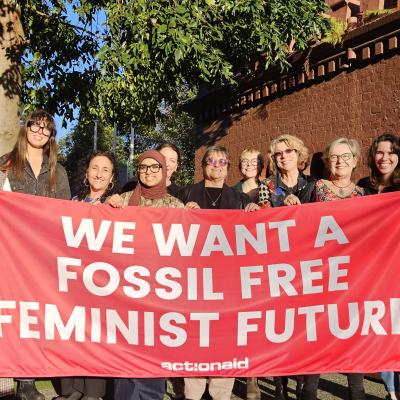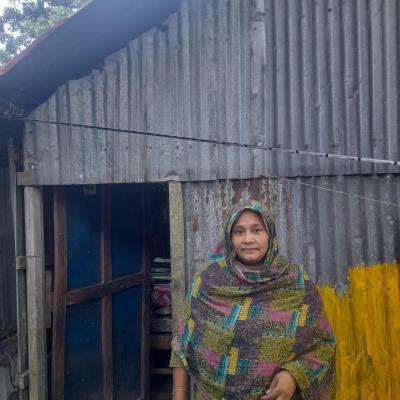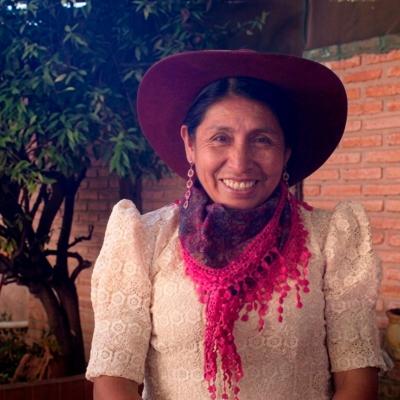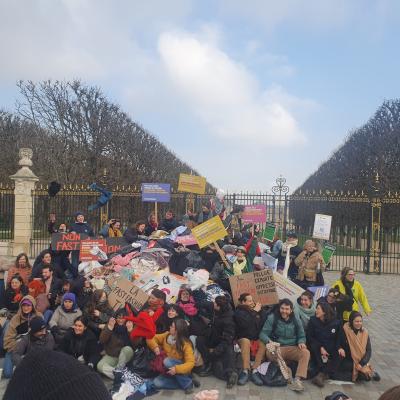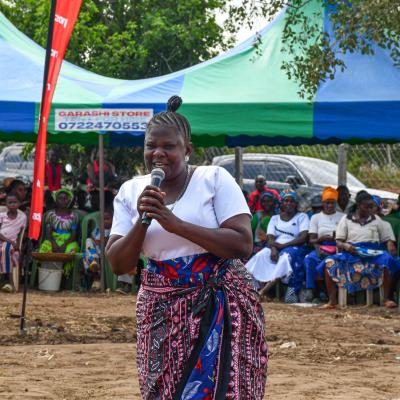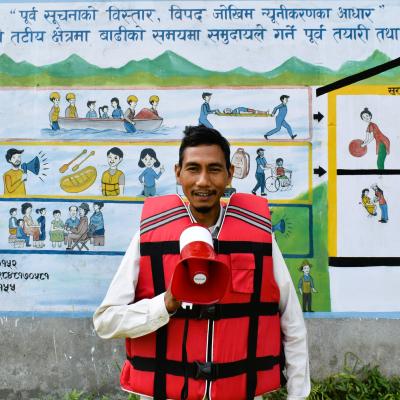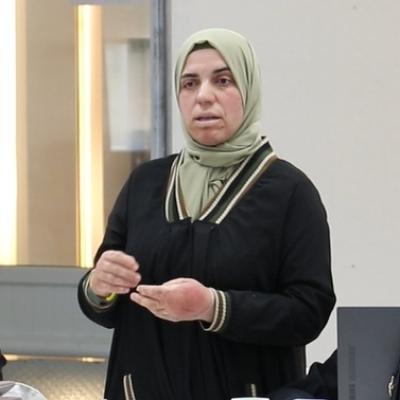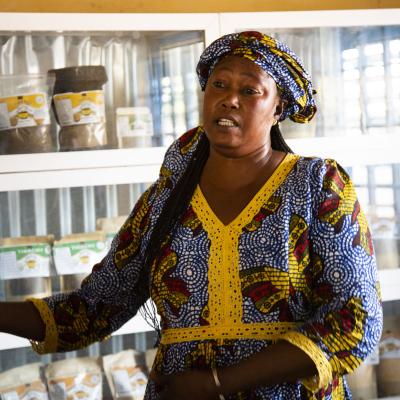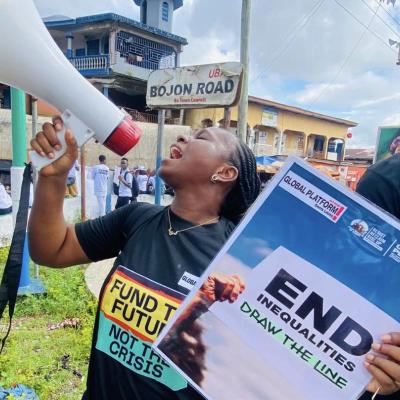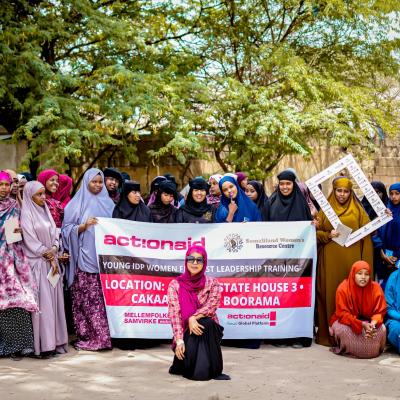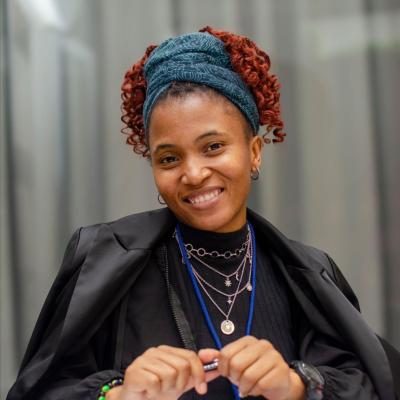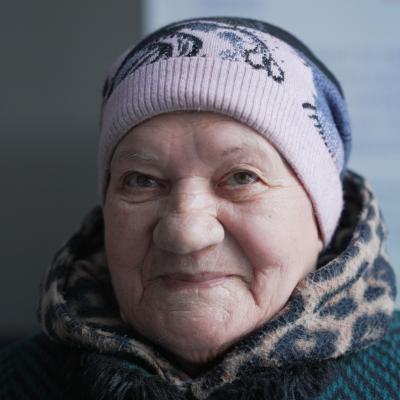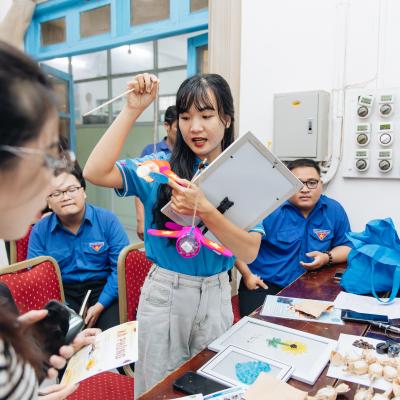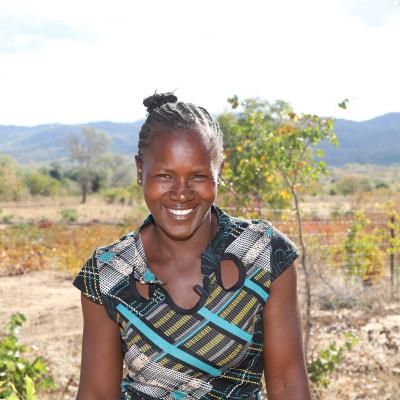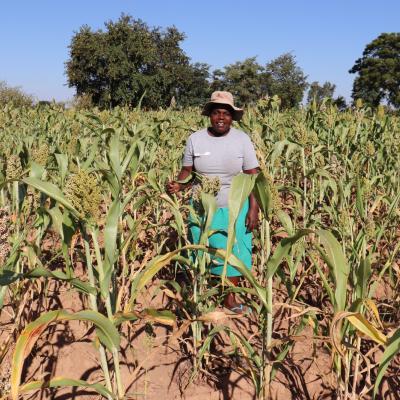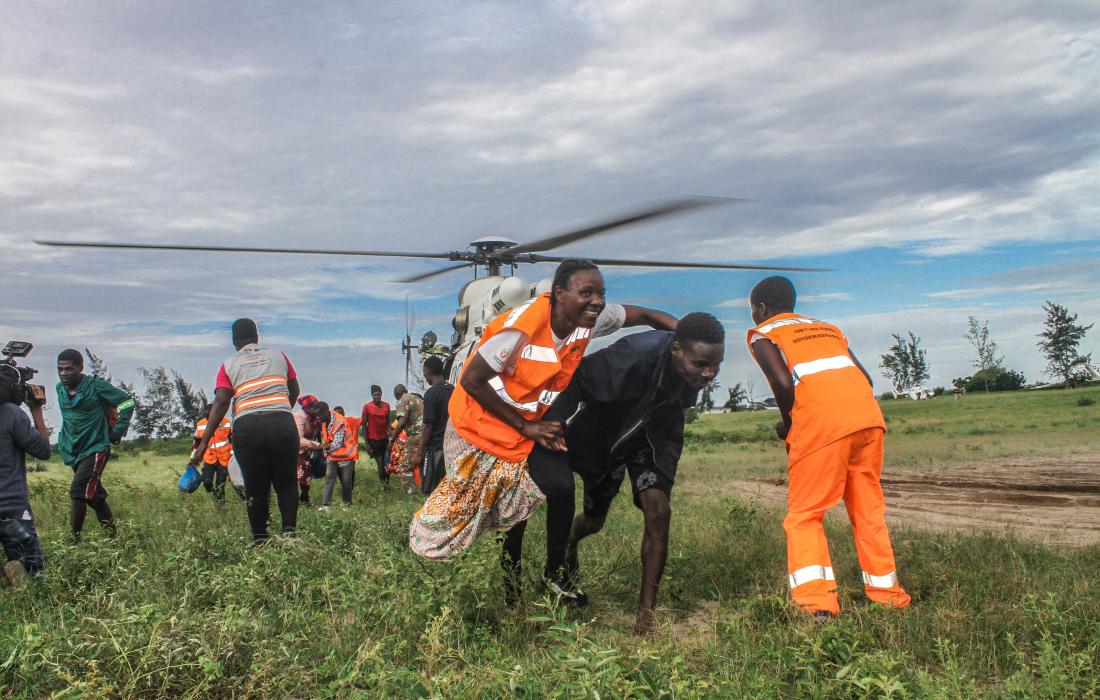
Community members in Manhiça participating in anticipatory disaster response training
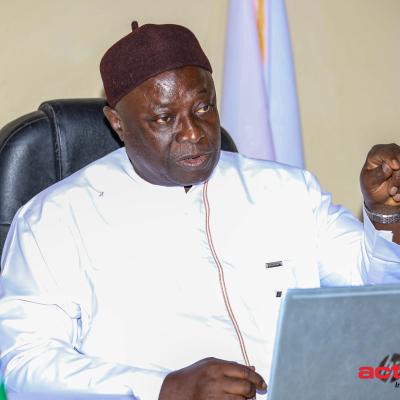
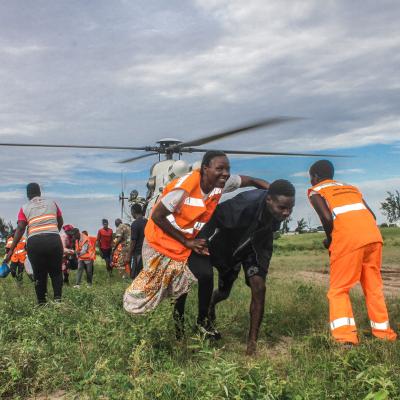
“We participated in training on anticipatory actions, and today we are putting it into practice. Now is the time to act” says Rafael confidently; “We learned how to respond when people arrive by helicopter, often in shock. This helps avoid confusion and ensures greater safety".
Rafael is a community member who participated in anticipatory disaster response actions training led by ActionAid Mozambique in partnership with NADEC. Together, they launched a series of training sessions, focusing on strengthening community capacities in multiple areas prone to flooding and promoting an integrated, territorial approach to disaster preparedness.
Mozambique continues to rank among the countries most vulnerable to extreme climate events, with recurrent floods devastating entire communities, especially in low-lying and riverine areas. In recent years, the country has faced an increase in the frequency and intensity of flooding, driven by heavy rainfall and upstream dam discharges.
The Manhiça district, in Maputo province, is one of the hardest hit in the southern region. Crossed by the Incomáti River and its tributaries, Chiluvecane, Cuenda, Nwatsecula, and Nwuare, the district has historically been affected by floods that disrupt livelihoods, destroy infrastructure, and put lives at risk.
The training sessions included humanitarian principles, monitoring weather forecasts, early warning systems, rescue techniques, first aid, management of accommodation centers, and practical emergency response simulations. Participants also engaged in handling helicopter evacuations, an increasingly common reality in situations of extreme isolation.
Working with the local government, safe spaces and Child-Friendly Spaces were established in the communities of 3 de Fevereiro and Xinavane.
The knowledge gained during the training is essential in the field, committee members not only respond to the emergency but also help to restore dignity and hope to affected families. “We care for people with compassion. We know they are traumatized and need dignity” says Rafael after receiving training.
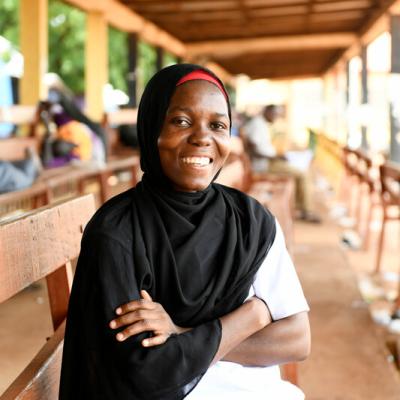
“We lacked knowledge about rescue and first aid. We saw people at risk, but we didn’t have the capacity to intervene safely” explains Isaura, Local Committee member.
“We are here to learn how to support our communities and reduce human losses” concludes community participant Paulo.